 Skip to content
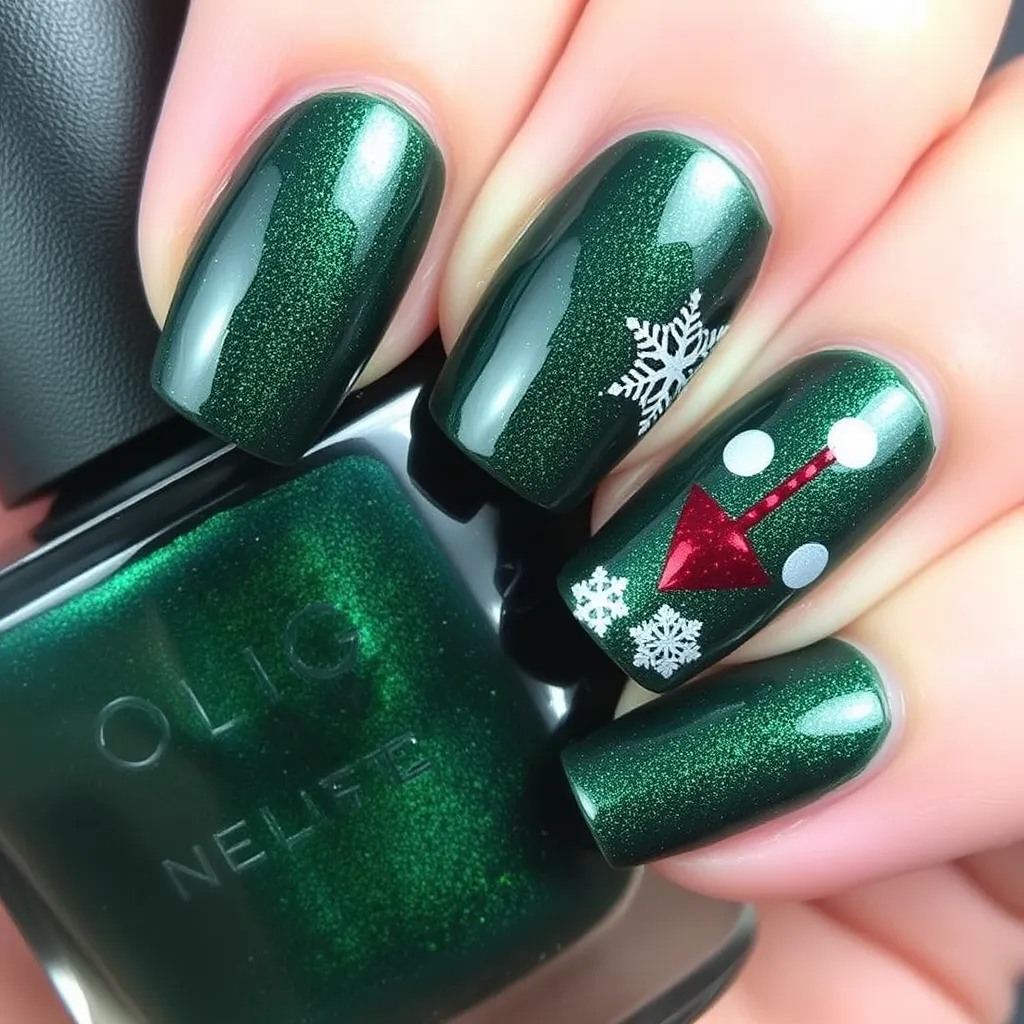
Discover the world of nail art, an evolving craft that transforms nails into canvases of creativity. Learn about its history, essential tools, and basic techniques to get started. Explore various styles, understand nail health, and find resources for mastering this captivating hobby. Whether you’re a beginner or aspiring professional, this guide covers everything from setting up your workspace to starting a career in nail art.
💅 Nail Art Studio
Professional Nail Design Tool
Saved Designs
Table of Contents
Introduction to Nail Art
Nail art has evolved from a simple beauty routine to a captivating form of self-expression and creativity. This intricate craft involves decorating, painting, enhancing, and embellishing nails, transforming them into miniature canvases that display personal style and artistic flair. Over recent years, nail art has surged in popularity, becoming a beloved hobby and a professional pursuit for many individuals. Its appeal lies in its versatility, allowing for endless creative possibilities—from minimalist designs to extravagant masterpieces.
The origins of nail art can be traced back to ancient civilizations. Historical records suggest that as early as 3000 BC, Chinese and Egyptian cultures were experimenting with nail decorations. In ancient China, a mixture of egg whites, gelatin, beeswax, and gum arabic was used to color nails, while in Egypt, henna was commonly applied. Fast forward to the 20th century, and the introduction of liquid nail polish in the 1920s revolutionized the industry, setting the stage for modern nail art.
Over the decades, nail art trends have come and gone, each leaving its unique mark. The 1960s saw the rise of bold, solid colors, reflecting the era’s vibrant spirit. The 1980s introduced glitter and metallic finishes, aligning with the decade’s flashy fashion. The 2000s brought about intricate patterns and embellishments, propelled by technological advancements and social media influence. Today, nail art encompasses a wide range of styles, from geometric designs and ombre effects to 3D elements and themed creations.
Nail art’s growing popularity can be attributed to several factors. It offers individuals a way to express their personality and creativity, providing a sense of accomplishment and satisfaction. Additionally, the rise of social media platforms like Instagram and Pinterest has made it easier to share and discover nail art inspiration, fostering a global community of enthusiasts. Whether as a hobby or a professional endeavor, nail art continues to captivate and inspire, making it a dynamic and ever-evolving field.
Embarking on the journey of nail art requires a solid foundation of essential tools and supplies. These items are crucial for both beginners and seasoned artists to create intricate and beautiful designs. Each tool serves a specific purpose, contributing to the overall process of nail art creation.
Nail Polish: The cornerstone of any nail art collection, nail polish comes in a plethora of colors and finishes. From basic shades to glitter and holographic options, the variety allows for endless creativity. High-quality nail polishes ensure smooth application and longevity of your designs.
Brushes: Nail art brushes come in various shapes and sizes, each designed for a specific technique. Detail brushes allow for precision work, while flat and fan brushes are ideal for broader strokes and blending. Investing in a set of good quality brushes can make a significant difference in the intricacy of your designs.
Dotting Tools: These tools are essential for creating dots of various sizes, which can be used to add embellishments or form patterns. Dotting tools typically have a small, rounded end that can be dipped into polish and applied to the nail for consistent dots.
Stamping Kits: Stamping kits include plates with etched designs, a scraper, and a stamper. These kits allow for the transfer of intricate patterns onto the nail with ease, making them perfect for those who may not have advanced freehand skills but still wish to achieve detailed designs.
Nail Files and Buffers: Preparing the nail surface is crucial for the longevity of your nail art. Nail files shape the nails, while buffers smooth out the surface, providing an even canvas for polish application. Both tools are fundamental in achieving a professional-looking finish.
Other Accessories: Additional items such as striping tape, rhinestones, and nail stickers can enhance your designs and add a unique touch. Striping tape is used to create clean, straight lines or intricate geometric patterns, while rhinestones and stickers offer a quick way to add sparkle and detail.
Having a well-rounded collection of these essential tools and supplies will set you up for success in the world of nail art. Each item plays a vital role in the creation process, enabling you to experiment with and perfect various techniques.
Basic Techniques and Skills
Nail art is an intricate and enjoyable way to express creativity and personal style. For beginners, mastering basic techniques is the first step toward creating stunning designs. Four fundamental techniques in nail art include painting, dotting, striping, and stamping. Each technique requires specific tools and skills, but with practice and patience, anyone can achieve beautiful results.
Painting is the foundation of nail art. Start by applying a base coat to protect your natural nails. Next, choose a nail polish color and apply it evenly across each nail. Use short, controlled strokes, and allow the polish to dry completely. A top coat can be applied to seal the color and add shine.
Dotting involves using a dotting tool to create small, precise dots on the nails. Beginners can start with simple designs like polka dots. Dip the dotting tool into nail polish and gently press it onto the nail to create a dot. Vary the size of the dots by using different ends of the tool. Practice on a piece of paper before applying to your nails to perfect your technique.
Striping uses striping tape or a striping brush to create clean, straight lines. Apply the base color and let it dry completely. Place the striping tape on the nail in the desired pattern, then apply a contrasting color over it. Remove the tape carefully while the polish is still wet to reveal crisp lines. Alternatively, use a striping brush for freehand lines. Keep your hand steady for best results.
Stamping requires a stamping kit, which includes a metal plate with etched designs, a stamper, and a scraper. Apply nail polish to the design on the plate, scrape off the excess, and press the stamper onto the plate to pick up the design. Then, roll the stamper onto your nail to transfer the design. Clean the tools after each use to maintain sharp, clear images.
Mastering these techniques takes time and patience. Begin with simple designs and gradually move on to more complex patterns. Consistent practice will help you develop a steady hand and an eye for detail, making nail art a fun and rewarding hobby.
Learning Nail Art: Resources and Tutorials
Embarking on your journey into the world of nail art can be both exciting and overwhelming. Fortunately, a plethora of resources are available to guide you through the initial stages. Online tutorials serve as a fundamental tool for beginners, offering step-by-step instructions and visual aids that make complex designs more approachable. Websites like Skillshare and Udemy provide structured courses that cover everything from basic techniques to advanced designs, ensuring a comprehensive learning experience.
YouTube channels are another invaluable resource, offering a wide range of tutorials catering to all skill levels. Channels like “Simply Nailogical,” “CutePolish,” and “Naio Nails” offer detailed videos that break down intricate designs into manageable steps, making it easier for beginners to follow along. These channels often include tips on nail care and product recommendations, further enhancing your learning experience.
Blogs dedicated to nail art are also worth exploring. Blogs such as “The Nailasaurus” and “Chalkboard Nails” provide not only tutorials but also product reviews, trend forecasts, and personal insights from experienced nail artists. These blogs can be a source of inspiration and practical advice, helping you to stay updated with the latest trends and techniques in the nail art community.
Social media platforms like Instagram and Pinterest are treasure troves of nail art inspiration. Accounts like @nail_sunny and @nailsbymei showcase a wide array of designs, from minimalist styles to elaborate works of art. Following these accounts can provide you with daily inspiration and keep you motivated to practice and improve your skills.
Joining online nail art communities can significantly enhance your learning experience. Platforms such as Reddit’s r/NailArt and Facebook groups dedicated to nail enthusiasts offer a space to share your work, seek advice, and connect with fellow beginners and seasoned artists alike. Being part of these communities fosters a sense of belonging and provides additional support as you navigate your nail art journey.
Understanding Nail Health and Safety
Maintaining nail health is paramount when engaging in nail art. A solid foundation of healthy nails not only enhances the appearance of your nail art but also ensures that your nails remain strong and resilient. It’s essential to follow a proper nail care routine to keep your nails in their best condition. This routine should include regular cleaning, moisturizing, and trimming. Keeping your nails clean prevents infections, while moisturizing ensures they remain flexible and less prone to breaking.
When it comes to nail products, it’s important to choose those that are high-quality and free from harmful chemicals. Many nail products, such as polishes and removers, contain ingredients like formaldehyde, toluene, and dibutyl phthalate, which can be damaging to your nails and overall health. Opt for products labeled as ‘5-free’ or ‘7-free,’ which indicate they are free from some of these harmful chemicals. Additionally, always use a base coat before applying nail polish to protect your nails from staining and to provide a smooth surface for the polish to adhere to.
To keep your nails healthy and strong, consider incorporating a few key practices into your routine. Avoid using your nails as tools for opening cans or peeling labels, as this can cause them to weaken and break. Be mindful of the potential for allergic reactions or sensitivities to nail products. If you experience itching, redness, or swelling after using a product, discontinue use immediately and consult with a healthcare professional. It’s also beneficial to give your nails a break from polish and other products every few weeks to allow them to breathe and recover.
By prioritizing nail health and safety, you can enjoy the creative expression of nail art while ensuring your nails remain in optimal condition. With a little care and attention, your nails can be both a canvas for art and a testament to your overall health.
Exploring Different Nail Art Styles
Nail art encompasses a wide array of styles and trends, each offering unique ways to express creativity and personal taste. For beginners, starting with simple designs can be a great way to build confidence and skill. Classic French tips, for example, remain a timeless favorite due to their elegant and understated appeal. By applying a nude or pink base coat with white tips, one can achieve a clean and sophisticated look suitable for any occasion.
Another popular choice for novices is polka dots, which can be easily created using a dotting tool or even a bobby pin. This playful design allows for endless customization in terms of color combinations and patterns, making it a versatile option for various moods and styles. Stripes and chevrons are also beginner-friendly, requiring only a steady hand and some tape to create crisp lines.
As one gains more experience, exploring intricate patterns such as marble and ombre can add a new level of sophistication to one’s nail art repertoire. Marble designs mimic the appearance of natural stone and can be achieved by swirling together different shades of polish. This technique creates a unique and luxurious effect that is sure to impress. Ombre nails, on the other hand, involve blending two or more colors seamlessly from dark to light, offering a gradient effect that is both modern and chic.
For those who wish to take their nail art to the next level, 3D designs offer an opportunity to incorporate texture and dimension. Using materials like rhinestones, beads, and decals, nail artists can create intricate and eye-catching embellishments that stand out. This style is particularly popular for special occasions such as weddings and parties, where making a bold statement is often desired.
Ultimately, the choice of nail art style can be tailored to suit individual preferences and the specific occasion. Whether opting for simple elegance or intricate artistry, the key is to experiment and find what resonates best with one’s personal aesthetic. The world of nail art offers endless possibilities, ensuring that there is something for everyone, regardless of their skill level or style preference.
Setting Up Your Nail Art Workspace
Creating an efficient and organized workspace is a fundamental step for anyone embarking on their nail art journey. A well-thought-out setup not only enhances creativity but also ensures that the process remains enjoyable and productive. One of the key elements to consider is lighting. Adequate lighting is crucial for precision and detail work. Natural light is ideal, but if that’s not possible, investing in a high-quality desk lamp with adjustable brightness can make a significant difference.
Proper ventilation is another vital aspect of your nail art workspace. Many nail products, such as polishes and removers, emit fumes that can be harmful if inhaled over prolonged periods. Working in a well-ventilated area or using a small fan or air purifier can help mitigate these risks and ensure a healthier environment.
Comfortable seating is often overlooked but is essential for maintaining concentration and reducing fatigue during extended nail art sessions. An adjustable chair that offers good back support can make a world of difference. Ergonomics should be a priority to prevent strain and discomfort.
Organization plays a pivotal role in the efficiency of your nail art workspace. Keeping your tools and supplies neatly arranged and within easy reach can save time and reduce frustration. Consider using storage solutions like drawer organizers, pegboards, or small containers to keep everything in its place. Labeling your supplies can also help in quickly finding the items you need.
Maintaining a clean workspace cannot be overstated. A tidy environment not only looks professional but also minimizes the risk of contamination and mishaps. Regularly disinfecting your tools and surfaces and keeping clutter at bay will contribute to a more pleasant and productive workspace.
By focusing on these core elements—lighting, ventilation, seating, organization, and cleanliness—you can create a nail art workspace that is both functional and inspiring. This foundation will set the stage for honing your skills and enjoying the creative process.
Starting a Career as a Nail Artist
For those interested in pursuing a career in nail art, understanding the essential qualifications, certifications, and training programs is crucial. Initially, aspiring nail artists should consider enrolling in a reputable cosmetology school or a specialized nail technician program. These programs typically cover a myriad of topics, including nail anatomy, sanitation practices, and various nail art techniques. Completing such a course not only provides foundational knowledge but also often fulfills the licensing requirements mandated by many states or countries.
Obtaining the necessary certifications is another critical step in becoming a professional nail artist. Most regions require nail technicians to pass a licensing exam, which assesses both theoretical knowledge and practical skills. Studying for and successfully passing this exam will ensure that you meet industry standards and are legally permitted to offer your services. Additionally, pursuing advanced certifications in specialized techniques, such as gel application or intricate nail designs, can further enhance your expertise and marketability.
Building a strong portfolio is indispensable for showcasing your skills and attracting clients. A well-curated portfolio should include high-quality photographs of your best work, demonstrating a variety of nail art styles and techniques. Consider collaborating with local photographers or models to create professional images that highlight your talents. Regularly updating your portfolio with new and innovative designs will keep it fresh and engaging.
Gaining practical experience is equally important. Internships, apprenticeships, or working in established salons provide invaluable hands-on opportunities to refine your skills and learn the nuances of the industry. Networking with experienced professionals can also offer mentorship and advice that can accelerate your career growth.
Promoting your services through social media platforms like Instagram, Pinterest, and Facebook is essential in today’s digital age. These platforms allow you to reach a wider audience and connect with potential clients. Regularly posting your work, engaging with followers, and utilizing relevant hashtags can significantly boost your visibility. Additionally, participating in local networking events, trade shows, and community gatherings can help you build a local clientele and establish a strong presence in the community.
